
Fitness trackers have quietly become one of the most-worn pieces of technology on the planet. Rings, watches, bands, clipped to shoes. Wearable tech has been ranked among the top fitness trends for years running, and it shows no sign of slowing down.
But popularity isn't the same as personal usefulness. Here's an honest, unbiased look at what these devices actually do well, where they fall short, and how to tell if one would genuinely help you.
What fitness trackers are actually good at
The core strength of a wearable is consistent, passive data collection. You don't have to remember to log anything, it's just there, tracking steps, heart rate, sleep, and activity automatically. This matters because self-reported activity tends to be notoriously inaccurate; most people overestimate how much they move in a given day. A tracker replaces guesswork with actual numbers.
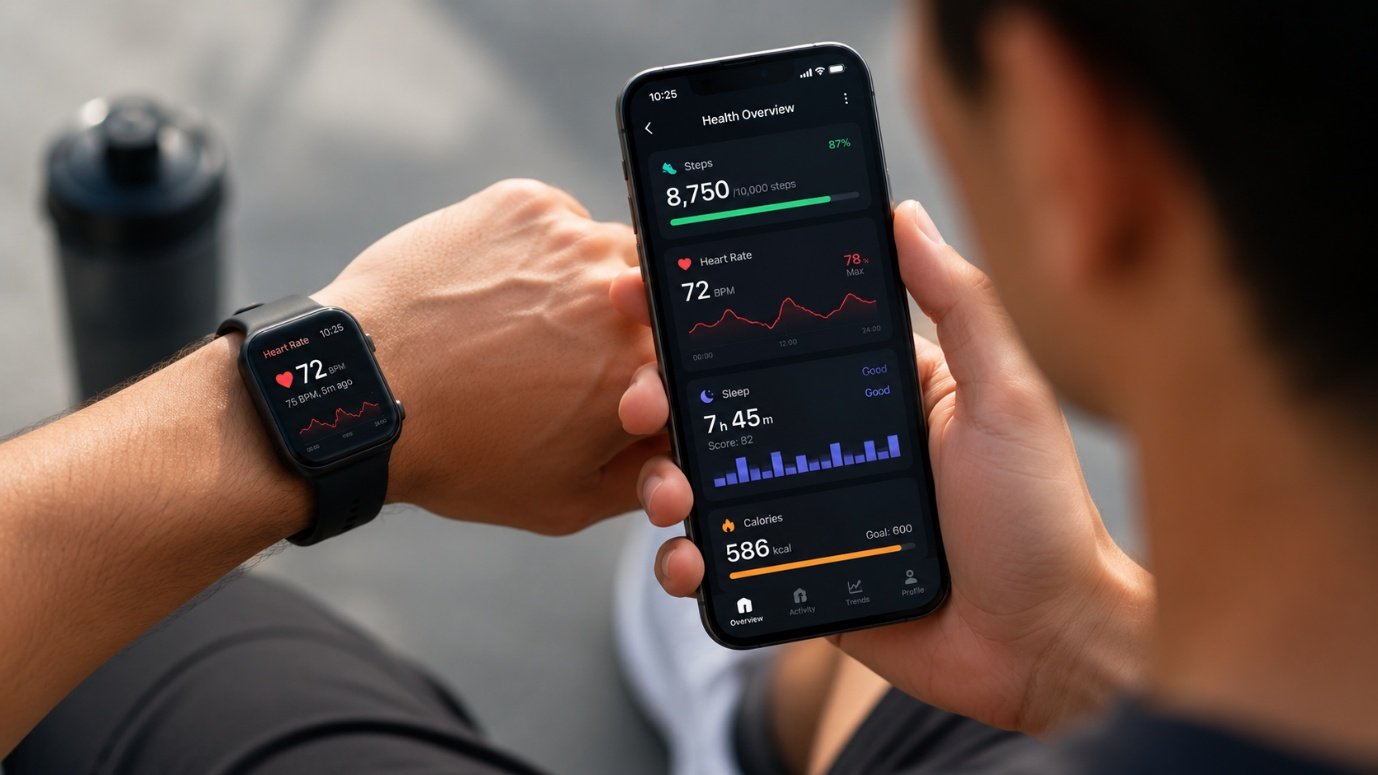
They're also genuinely effective at building initial awareness. Many people who start using one are surprised by how sedentary a normal day actually is once it's measured. That awareness alone often prompts small behavior changes, like taking the stairs or a short walk, that wouldn't have happened otherwise.
Where the evidence gets more mixed
Here's the more honest part: research on whether trackers lead to lasting behavior change is genuinely mixed. Several studies have found that while wearables boost activity in the short term, that effect often fades within months as the novelty wears off. A device alone doesn't create a habit; it just measures whether one exists.
There's also a real risk of the data becoming the goal itself, rather than a tool supporting a goal. Chasing a specific step count or closing a ring can start to feel like the point, even when it doesn't reflect anything meaningful about how you actually feel or your broader health.
Who tends to benefit the most
Based on how these patterns generally play out, a few types of people tend to get real, lasting value from a tracker:

People just starting a fitness habit, who benefit from the baseline awareness and early motivation a tracker provides.
People training for something specific, like a race or event, where objective data on pace, heart rate zones, or recovery genuinely informs training decisions.
People managing a specific health metric with a doctor's involvement, like heart rate patterns or sleep, where consistent data supports an actual care plan.
People who are motivated by numbers and progress tracking as a personality trait, regardless of the specific goal.