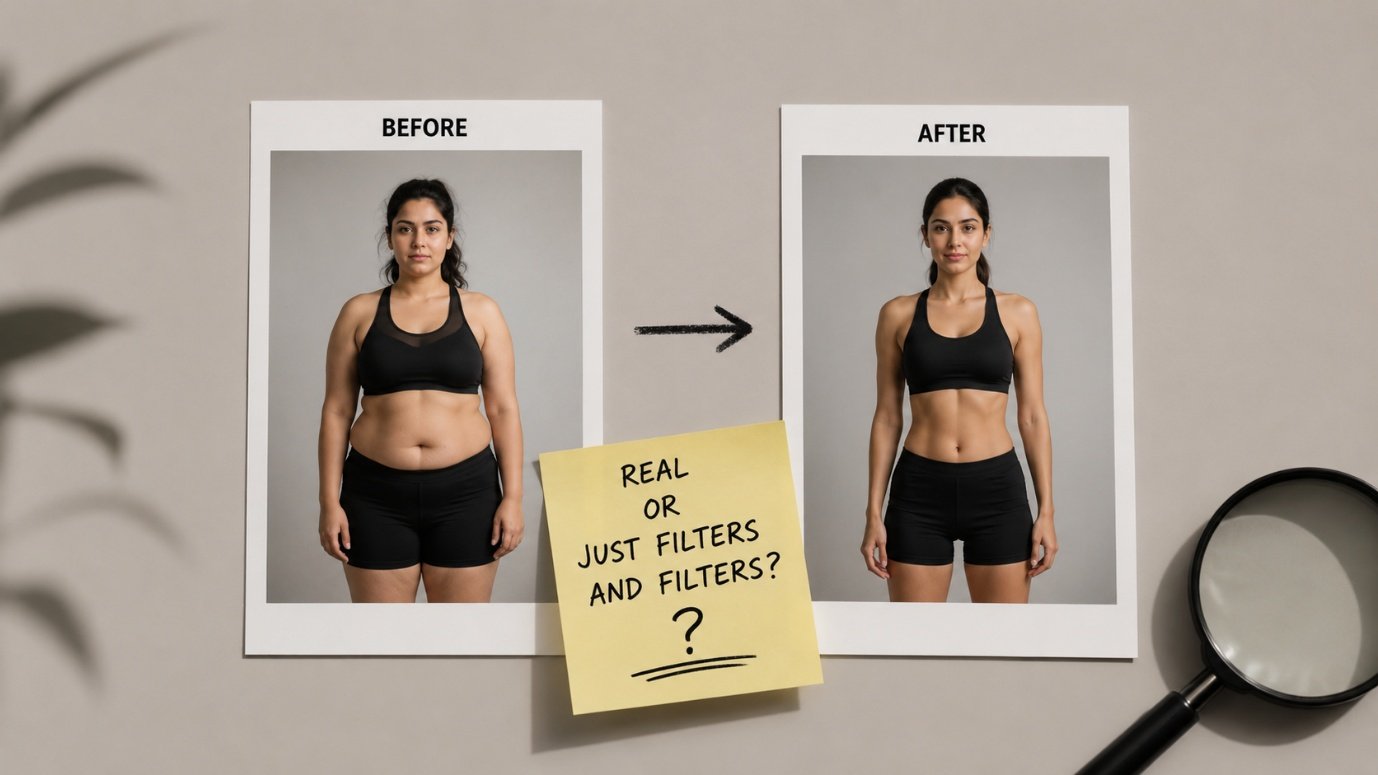
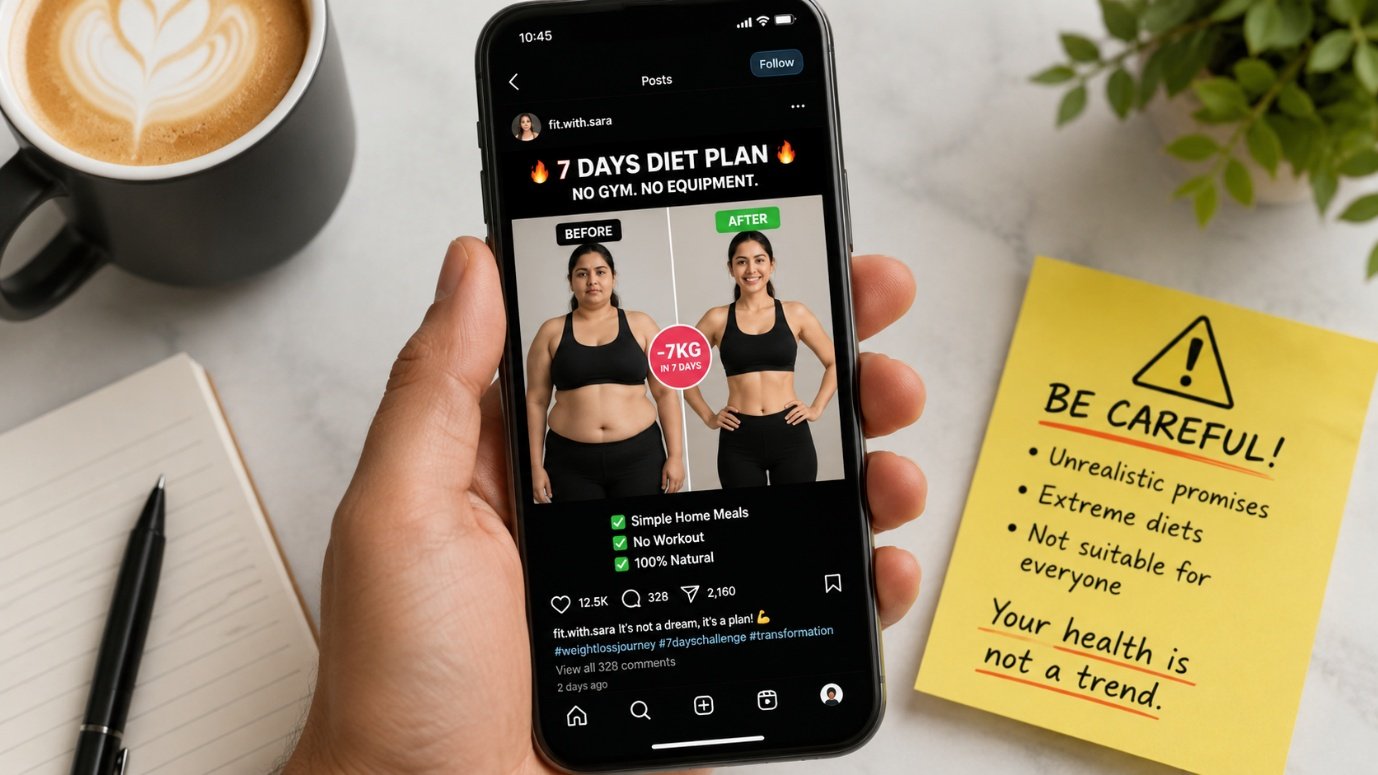
It seems like a new eating plan goes viral every few weeks now, each one promising fast results, backed by a compelling before-and-after and a confident explanation of exactly why every other approach has been wrong. Some of these approaches have real merit. Others don't hold up particularly well once you look closely.
Rather than telling you which specific diets are good or bad, here's a more useful and lasting skill: how to spot the warning signs yourself, so you can evaluate whatever's trending next.
Red flag: it eliminates entire food groups without a clear medical reason
Diets that dramatically restrict or eliminate whole categories of food, carbohydrates entirely, all fats, every food except a small approved list, should generally prompt some healthy skepticism unless there's a specific, individual medical reason for it, like a diagnosed condition. Whole food groups typically exist in typical diets because they provide something genuinely useful, and eliminating them entirely is a bigger step than most situations actually call for.
Red flag: promises that sound too fast or too easy
Claims like "lose 10 pounds in a week" or "melt fat while you sleep" are worth treating with real caution. Sustainable changes in body composition generally happen gradually. Extremely fast results, when they do occur, are frequently water weight or muscle loss rather than meaningful, lasting fat loss, and they're rarely maintainable long-term.

Red flag: it relies heavily on a single "hero" food or ingredient
Diets built around one specific food or ingredient being framed as almost magical, some specific fruit, a particular oil, one "superfood" that supposedly changes everything, tend to oversimplify how nutrition actually works. Real, sustained health outcomes are typically the result of overall dietary patterns over time, not any single ingredient working in isolation.
Red flag: the "evidence" is mostly testimonials
Before-and-after photos and personal success stories can be genuinely compelling, and the people sharing them are often being sincere about their own experience. But individual stories aren't the same as evidence that something works broadly or safely. It's worth asking whether there's anything beyond personal testimonials, like actual published research, and being appropriately cautious when testimonials are essentially the entire case being made.