
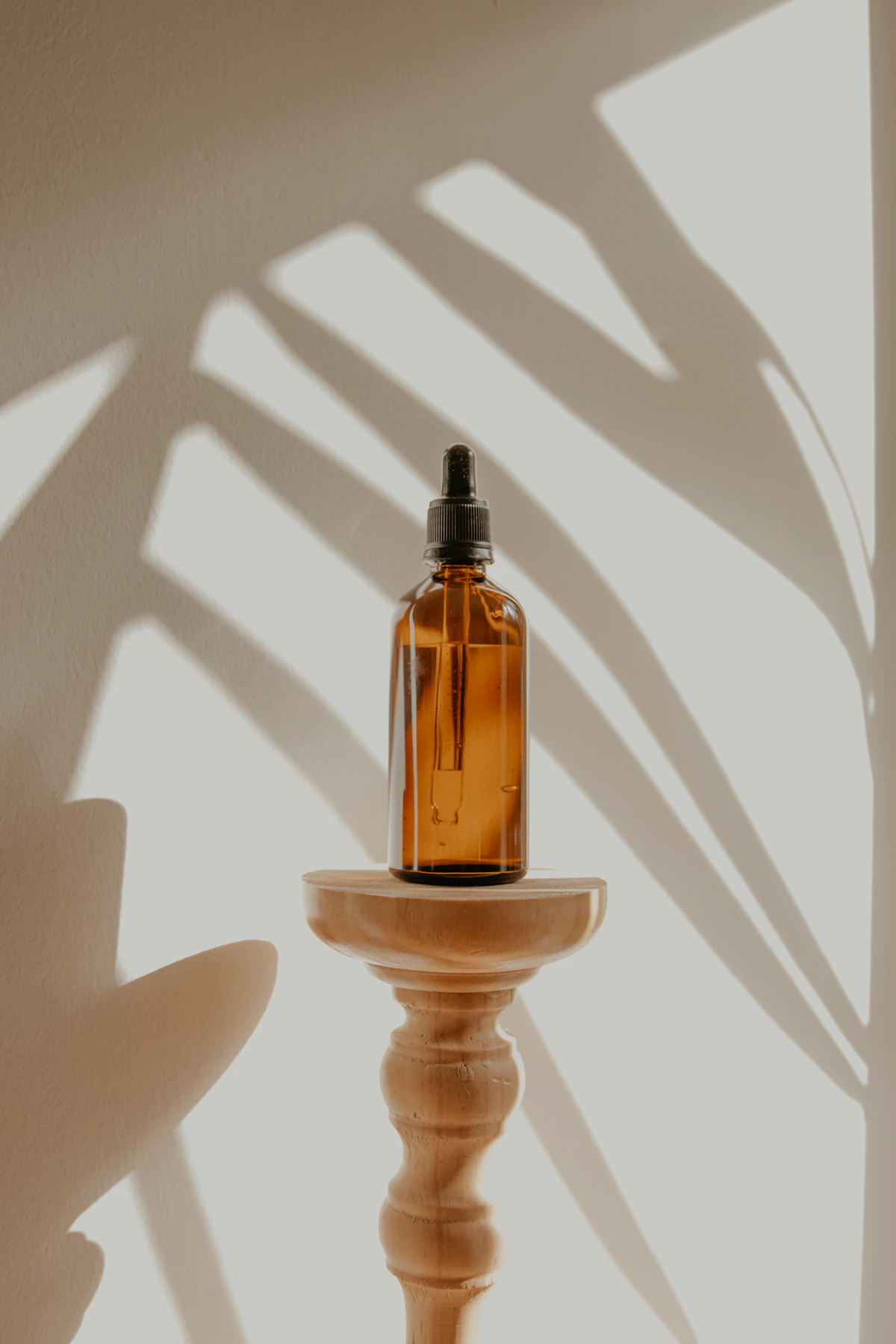
The phrase "slow morning" tends to conjure a very specific image: soft light through a window, a steaming cup of something, maybe a journal, absolutely no alarm clock in sight. It's a lovely image. It's also not particularly useful if you have a job, a commute, or anyone else depending on you being somewhere by a certain time.
The good news is that a slow morning was never really about having unlimited time. It's about how the morning feels, not how long it lasts. Here's what that actually looks like across a few different, genuinely realistic schedules.
What "slow" actually means
A slow morning isn't defined by duration. It's defined by the absence of rushing, the feeling of moving through the first part of your day with some intention, rather than being immediately swept into reacting to notifications, deadlines, and other people's requests the second you're conscious. You can have a slow morning in twenty minutes. You can also have a rushed, frantic one in two hours if you spend the whole time anxiously checking your phone.
Example: the 20-minute version
For someone with an early commute and not much flexibility, a slow morning might look like this: wake up ten minutes before you technically need to, rather than the absolute latest possible moment. Sit with coffee or tea for five minutes without your phone, just looking out a window or at nothing in particular. Get dressed without rushing. Leave with two minutes to spare instead of sprinting out the door.
Nothing here takes extra time in any meaningful sense. It's the same twenty minutes most people already have, just used with a different quality of attention rather than immediately reaching for a phone the second the alarm goes off.

Example: the 45-minute version
For a slightly more flexible schedule, this might include a short walk outside before anything else starts, even five minutes around the block. Making breakfast rather than grabbing something on the way out, not because homemade breakfast is inherently virtuous, but because the act of making something slows the pace of the morning by default. Writing down one thing you're looking forward to that day, which takes under a minute but shifts your mental starting point.
Example: the weekend version
Weekends often get the most exaggerated version of "slow morning" content, and this is closer to where the long, leisurely image actually applies, though it still doesn't require hours. A genuinely slow weekend morning might be: no alarm, waking naturally. Coffee made slowly, actually paying attention to making it rather than doing it on autopilot while scrolling. An hour or so with a book, a puzzle, or simply sitting, with no specific agenda. Phone left in another room until you've been up for a while.
What tends to break the "slow" feeling, regardless of time available
A few things reliably undo a slow morning no matter how much time you technically have:
Checking your phone first thing. Even five minutes of notifications and messages can immediately shift your mind into reactive mode, and it's hard to fully recover that calmer starting state once it's broken.

Doing everything at once. Eating while scrolling while half-watching the news creates a fragmented, rushed feeling even in a completely unhurried timeframe.
Starting with a mental to-do list. Immediately running through everything you need to accomplish that day, before you've even gotten out of bed, sets a frantic tone that follows you for hours.
Building your own version
Rather than copying an idealized version from somewhere online, it helps to ask what actually makes your own mornings feel rushed, and address that specific thing directly. For some people, it's the phone. For others, it's not knowing what to wear and deciding in a panic. For others, it's skipping breakfast and running on empty by 10am. The fix is rarely more time. It's usually removing whichever specific friction is currently making your morning feel frantic.
It's allowed to look ordinary
A slow morning doesn't need candles, a specific playlist, or a matching set of ceramics to count. It can be instant coffee and five quiet minutes on a balcony. It can be getting dressed without checking the time every thirty seconds. The bar isn't aesthetic, it's simply the absence of rushing, however briefly, before the rest of the day inevitably takes over.
The bottom line
You don't need an extra hour to have a slower morning. You need to identify what's currently making your existing time feel rushed, and adjust that one thing. Whether that's twenty unhurried minutes or a full unstructured weekend, the goal is the same: starting the day with a little more presence and a little less reacting, however much time you actually have to work with.


0 comments
Sign in to leave a comment.
No comments yet - be the first to share your thoughts.