
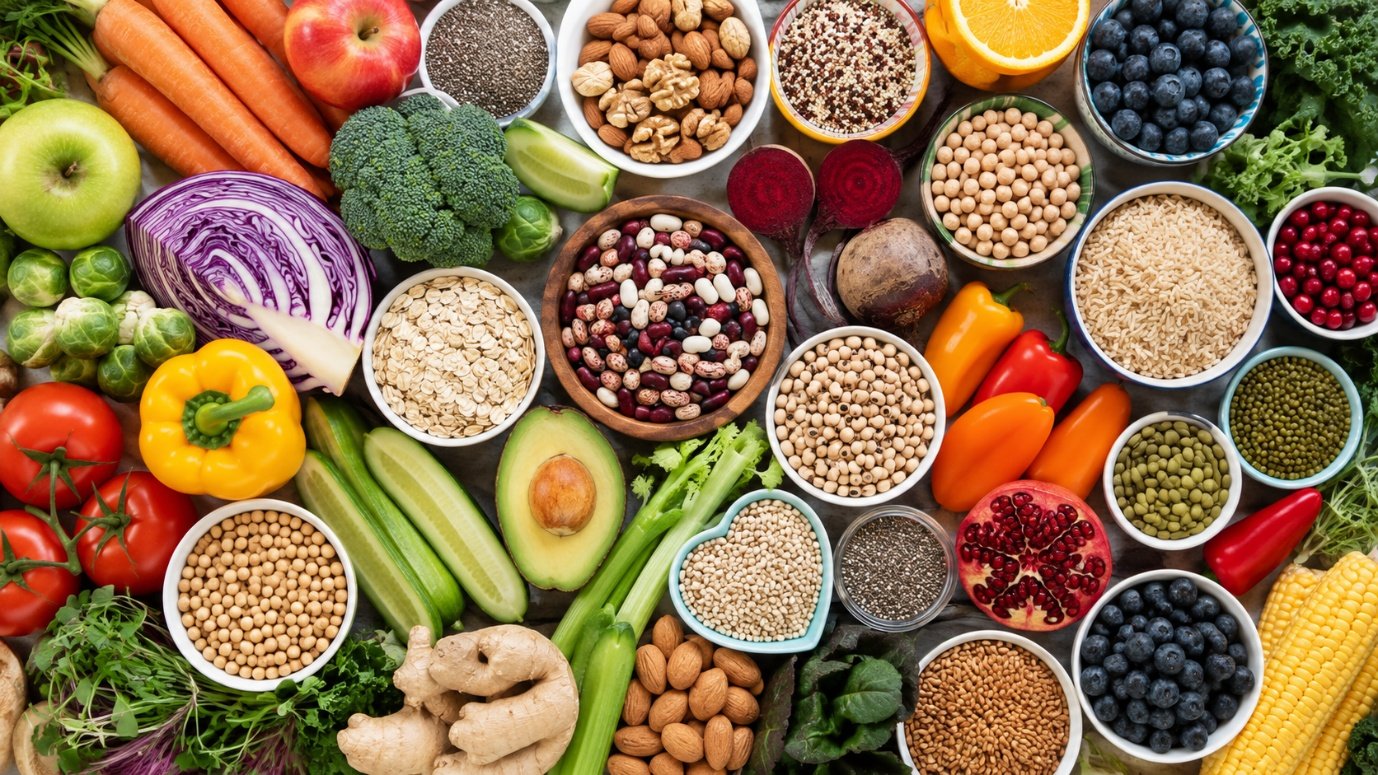
Type "gut health" into any search bar and you'll be met with a wall of supplements, powders, and multi-strain probiotic capsules promising to transform your digestion in weeks. It's a lot, and it can make something fairly simple feel expensive and complicated before you've even started.
Here's the more useful starting point: for most people, the biggest gains in gut health come from a handful of food habits, not a supplement cabinet.
What "gut health" actually means
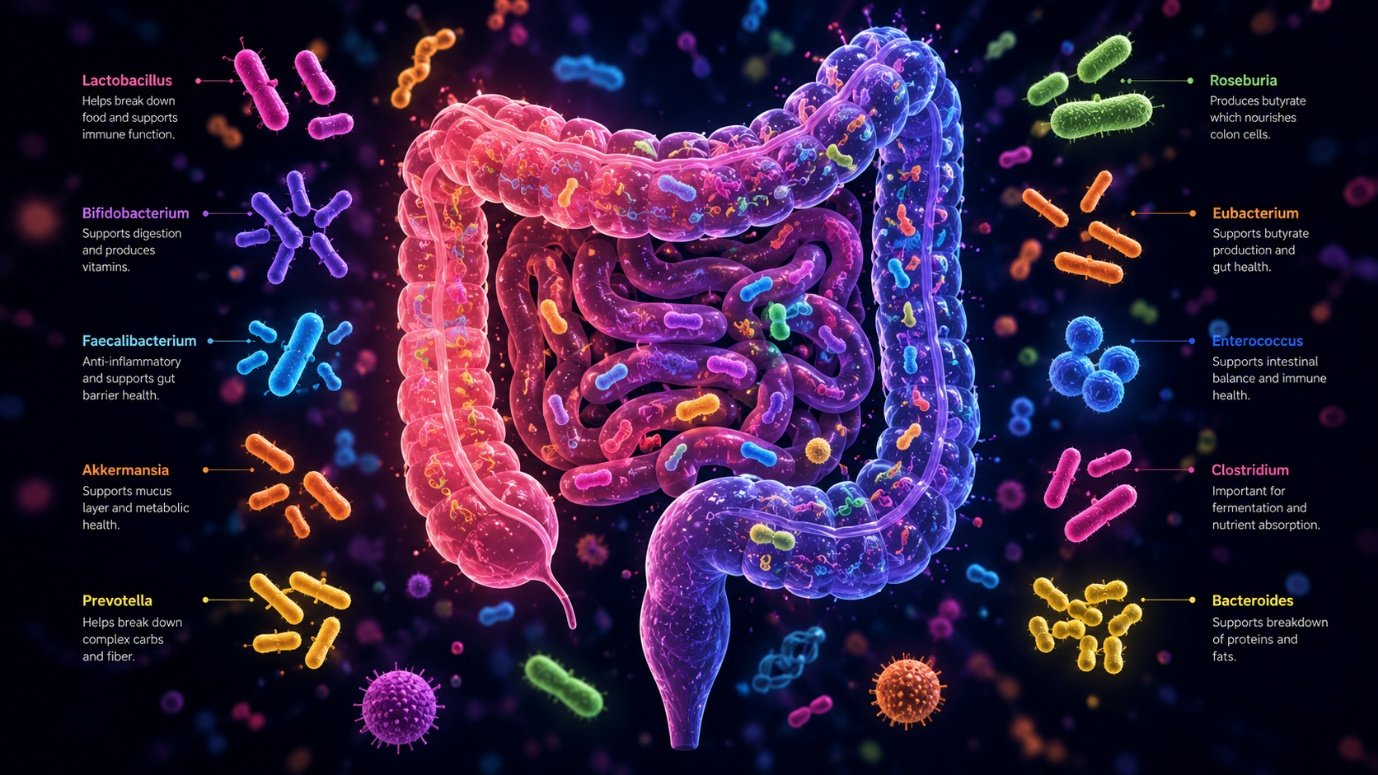
Your gut is home to trillions of bacteria, collectively called your gut microbiome. This community does far more than just digest food. It plays a role in your immune system, how you absorb nutrients, and even your mood, since a large portion of your body's serotonin is produced in the gut. A "healthy" gut generally means a diverse, balanced population of these bacteria, with beneficial species outnumbering the less helpful ones.
The encouraging part is that this balance responds fairly quickly to what you eat, often within days, which is part of why food-first approaches tend to be so effective.
Start with fiber, not probiotics
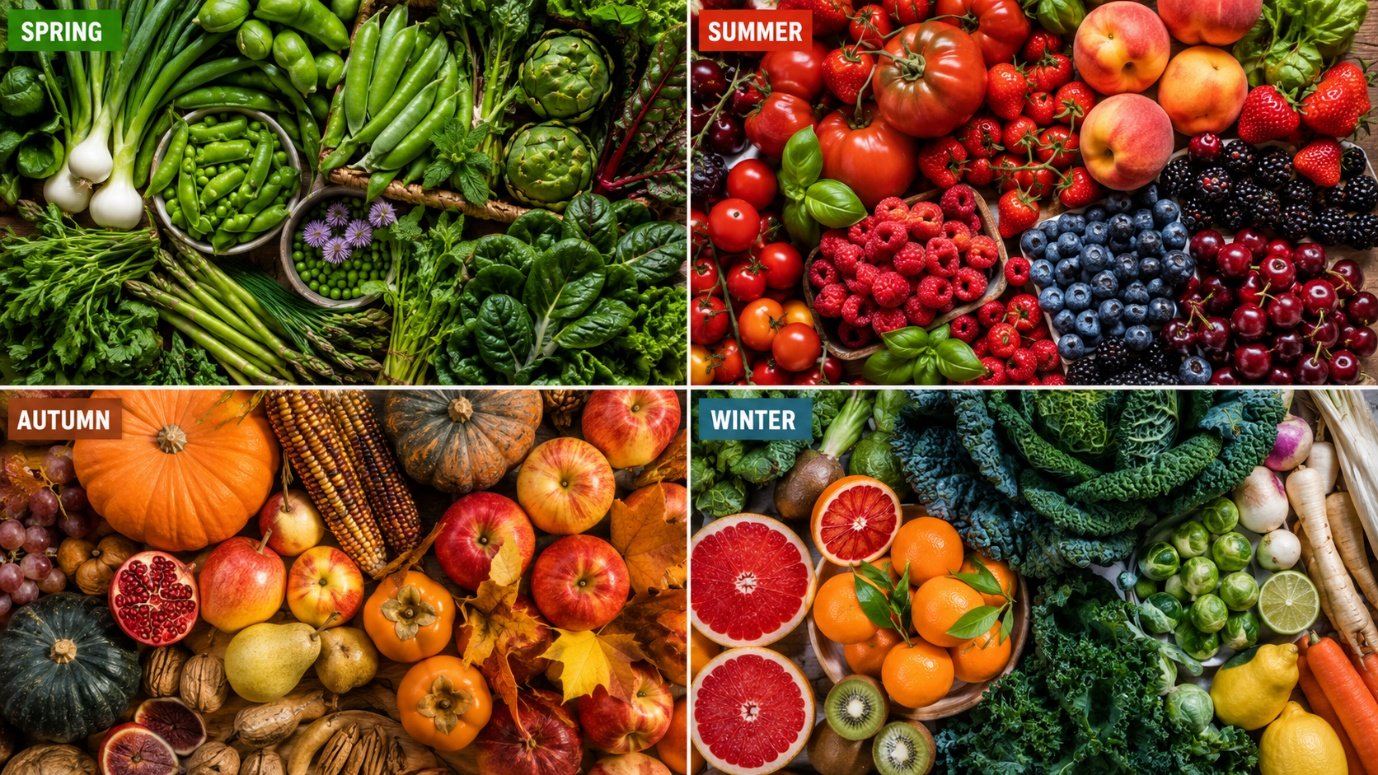
If you only change one thing, make it this: eat a wider variety of plants. Fiber, particularly from a range of different fruits, vegetables, whole grains, and legumes, is what your gut bacteria actually feed on. Research on gut diversity consistently points to variety, not volume, as the bigger factor, meaning 30 different plant foods across a week matters more than eating a large amount of just two or three.
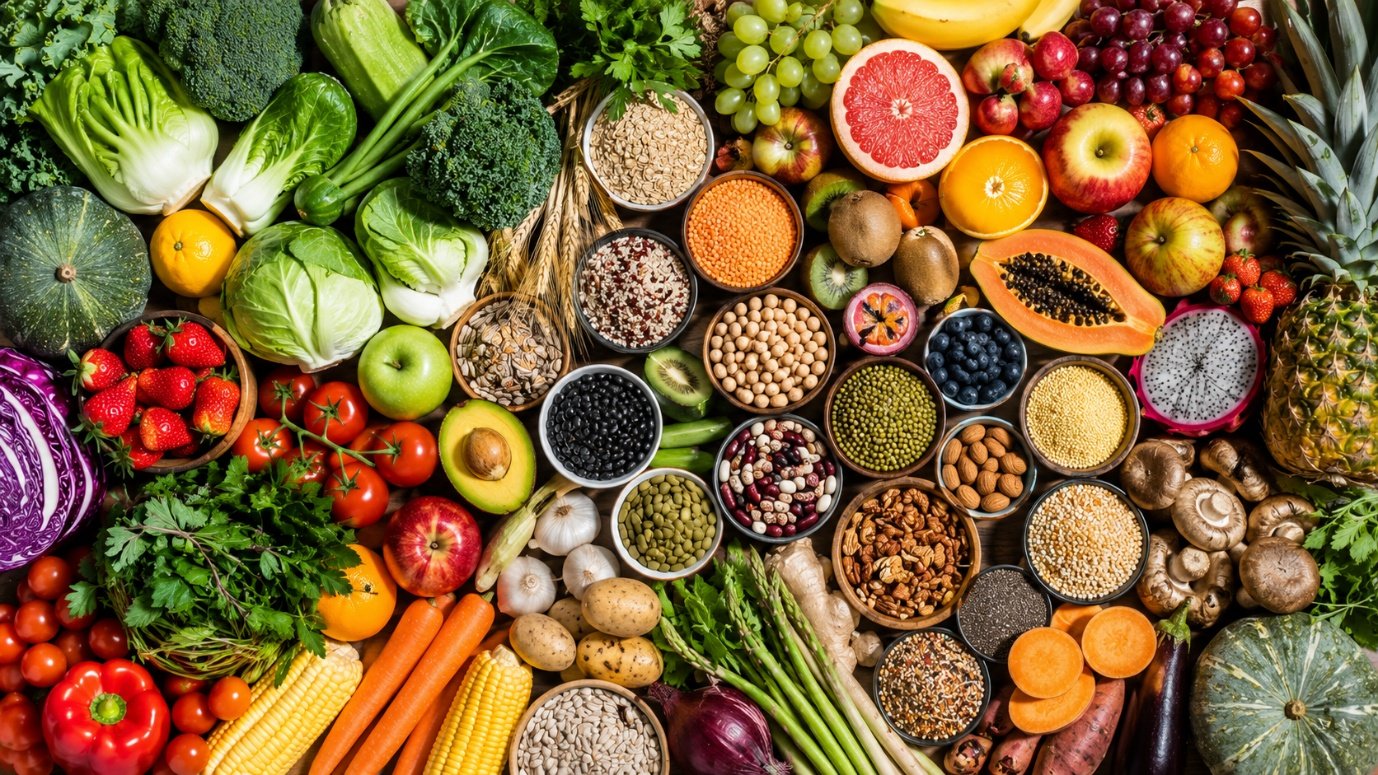
This doesn't require a dramatic diet overhaul. Swapping your usual side vegetable for a different one a few times a week, adding a handful of a new bean or lentil to a meal, or choosing a different fruit than usual all count toward that variety.
Fermented foods: a genuinely simple entry point
Unlike supplements, fermented foods deliver live beneficial bacteria in a form your body already knows how to process, and they tend to be far more accessible than a bottle of specific bacterial strains. A few easy ones to start with:
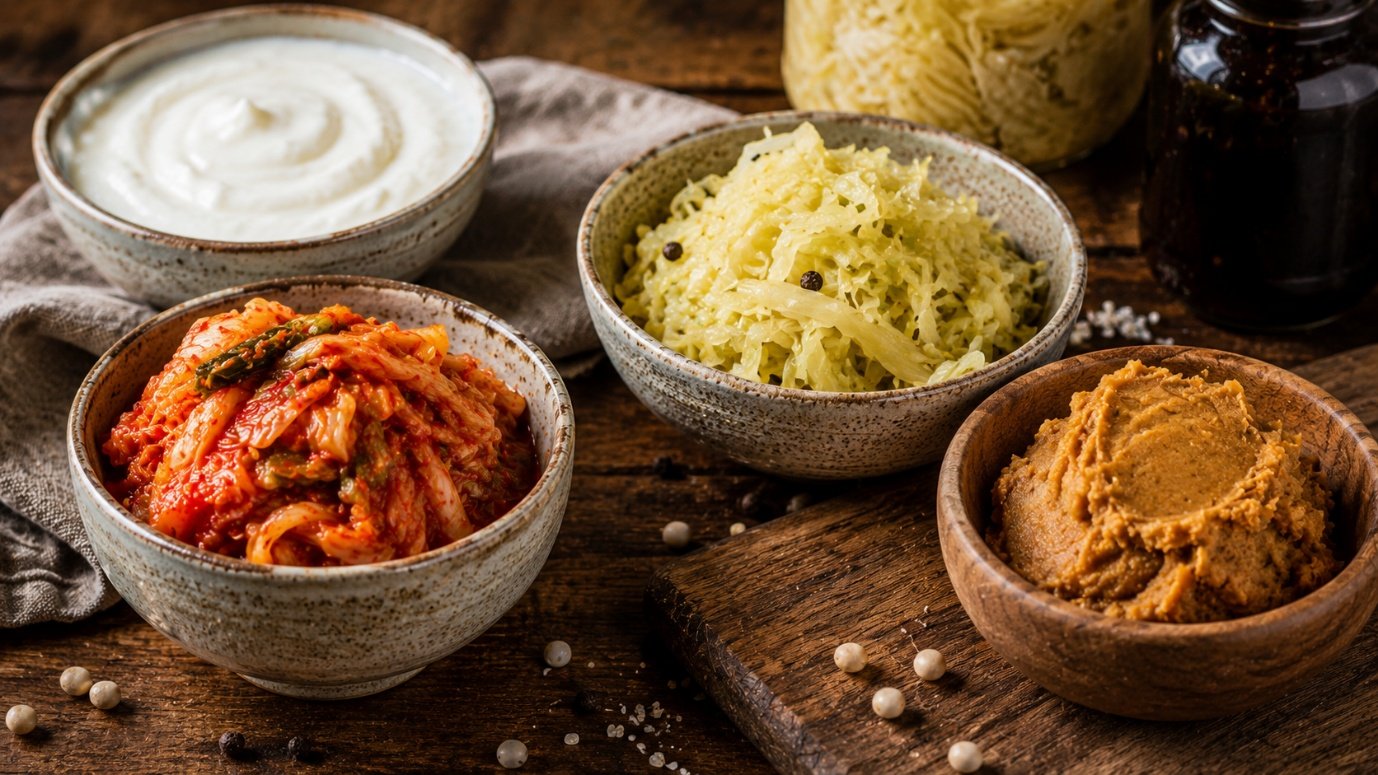
Yogurt with live active cultures, checked on the label Kefir, a fermented milk drink Sauerkraut or kimchi, kept refrigerated rather than shelf-stable jars, which have usually been heat-processed and no longer contain live cultures Miso, stirred into soup rather than boiled, since high heat can reduce the live cultures
You don't need all of these, or even most of them. Picking one you actually enjoy and having it a few times a week is more sustainable, and more useful, than forcing down something you dread.
What tends to work against gut health
A few common patterns are worth being aware of, not as strict rules, but as things to notice:
A diet low in variety. Eating the same handful of foods on repeat, even if they're healthy foods, limits the diversity your gut bacteria need to thrive.
Very low fiber intake. Highly processed foods with little fiber leave your gut bacteria with little to actually feed on.
Frequent, unnecessary antibiotic use. Antibiotics are sometimes genuinely necessary, but they don't distinguish between harmful and beneficial bacteria, which is part of why gut health often takes a temporary hit after a course of them.
Chronic high stress. The gut and the nervous system are closely connected, and prolonged stress has been linked to changes in gut bacteria balance.
Signs worth paying attention to
Digestion looking and feeling different for everyone makes this a bit tricky to generalize, but a few everyday signals are worth noticing over time: regular, comfortable bowel movements, minimal persistent bloating, and steady energy after meals rather than a heavy afternoon slump. None of these are a diagnosis of anything, just useful things to track if you're curious whether changes you're making are having an effect.
If you're dealing with persistent digestive discomfort, ongoing bloating, or noticeable changes in your digestion that don't improve with these everyday adjustments, that's worth a conversation with a doctor rather than something to self-manage indefinitely.
A realistic first week
Rather than overhauling everything at once, a gentler starting point might look like this:
Add one new plant food to your grocery list this week, something you don't usually buy. Pick one fermented food to try a few times, and see if you actually enjoy it before committing further. Notice your fiber sources across a normal day, and see if there's an easy place to add more, like swapping white rice for brown, or adding beans to a dish that doesn't usually have them. Pay attention to how you feel, without obsessing over it.
The bottom line
Gut health has become a heavily marketed space, and it's easy to assume something this talked-about must require an equally elaborate solution. For most people, though, the fundamentals are refreshingly ordinary: eat a wide variety of plants, include some fermented foods you actually like, and pay attention to persistent symptoms rather than chasing every new trend. Supplements have their place for specific situations, best discussed with a doctor, but they were never meant to be the starting point. Food is.


0 comments
Sign in to leave a comment.
No comments yet - be the first to share your thoughts.