
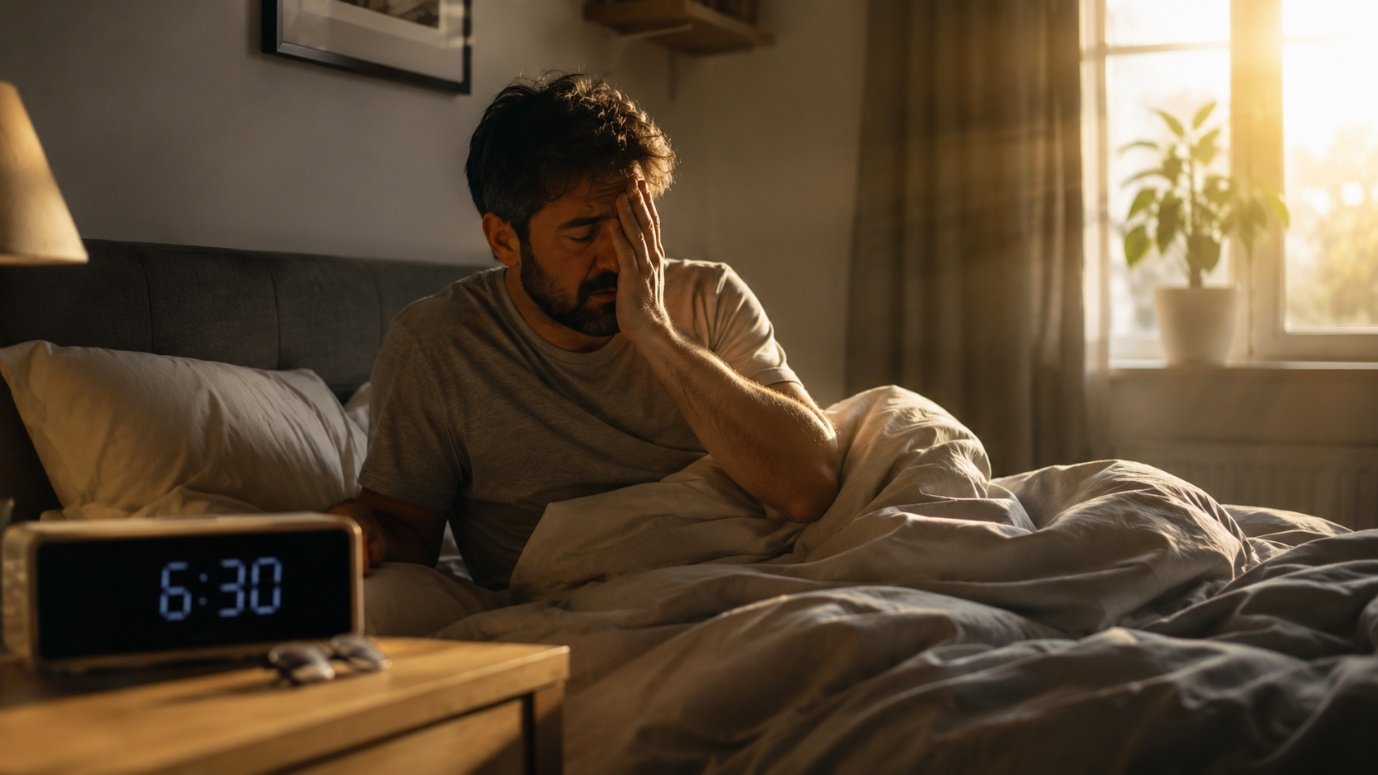
You did everything right. Lights off by eleven, phone across the room, a full eight hours logged. And yet you woke up feeling like you'd run a marathon in your sleep. If this sounds familiar, you're not imagining it, and you're definitely not alone.
Sleep duration is only half the story. The other half is sleep quality, and that's where most of us are quietly losing ground.
It might not be about how long you slept
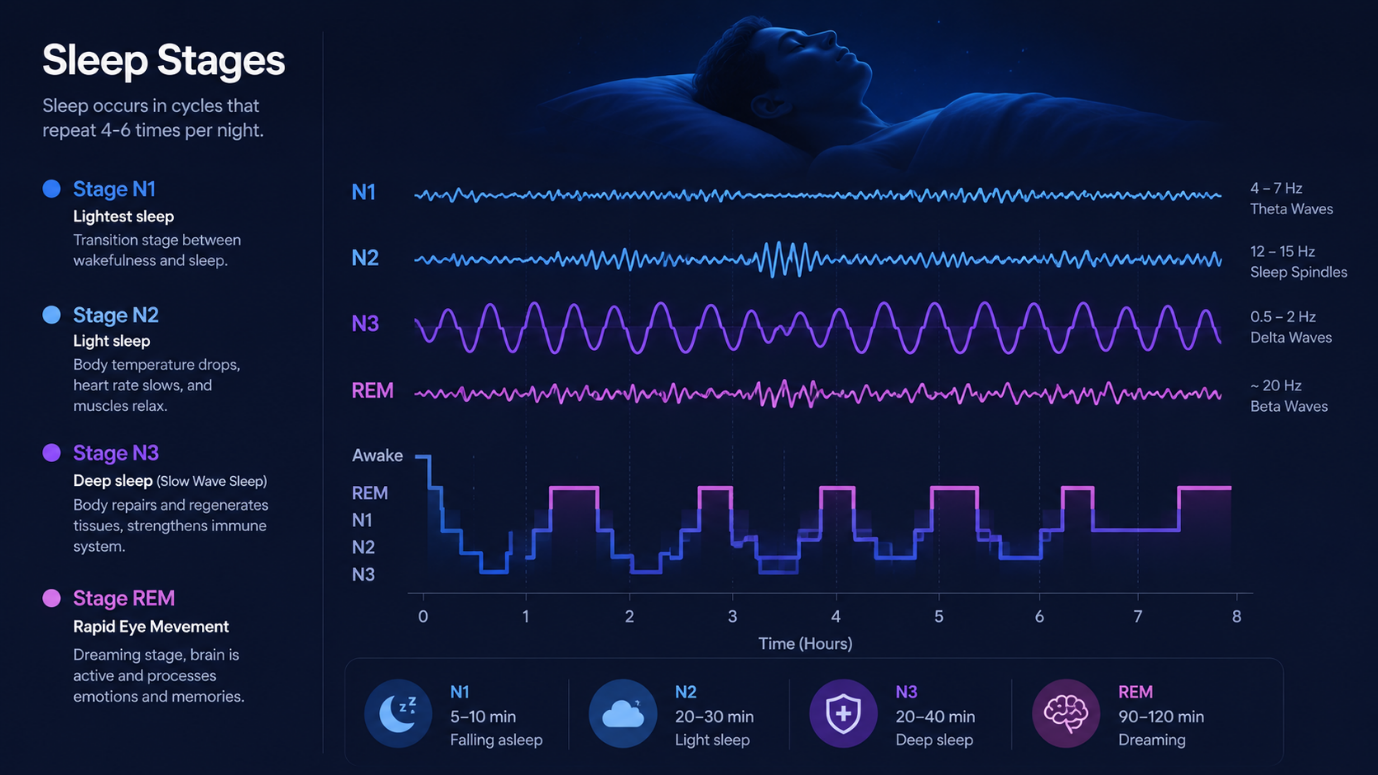
Waking up tired after a full night usually points to fragmented sleep rather than insufficient sleep. Even brief awakenings you don't remember, caused by noise, light, temperature swings, or an inconsistent bedtime, can prevent you from getting enough time in the deeper, more restorative sleep stages. Eight hours of broken sleep can leave you far more drained than six hours of solid, uninterrupted rest.
The usual suspects
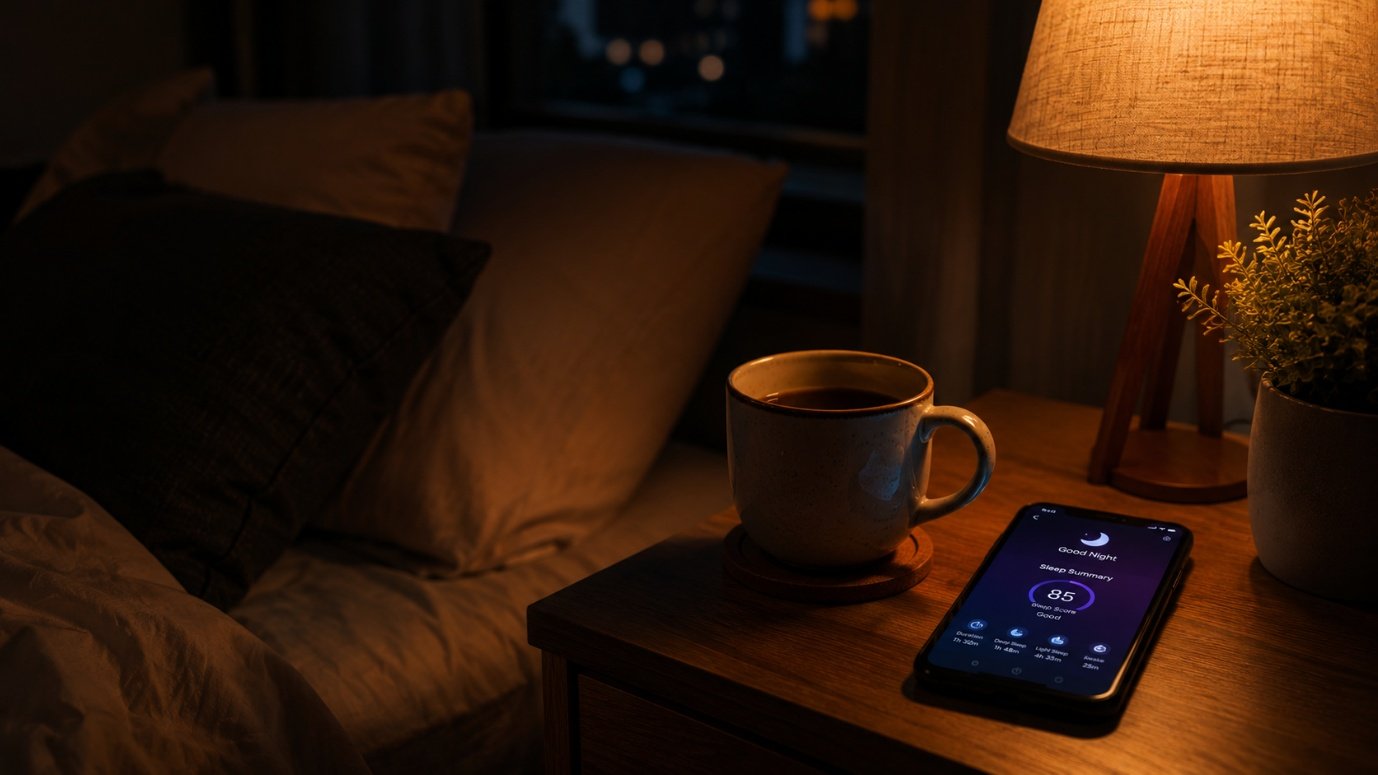
A few everyday habits tend to be the biggest culprits, often without us noticing:
Late caffeine. Coffee's effects can linger in your system for six hours or more. That 4pm cup might feel harmless, but it can still be quietly disrupting your sleep architecture that night.
Screens right before bed. It's not just the blue light, it's the mental stimulation. Scrolling engages your brain right when it should be winding down, making it harder to fall into deep sleep quickly.
An inconsistent schedule. Going to bed at 10pm on weekdays and 1am on weekends confuses your internal clock, so even a "full" night's sleep can feel out of sync.
A too-warm room. Your body needs to cool down slightly to fall into deep sleep. A warm bedroom can keep you hovering in lighter sleep stages all night.
Small shifts that actually help
You don't need a complete lifestyle overhaul. A few consistent, small changes tend to matter more than any single big one:

Keep a consistent wake-up time, even on weekends. Your body clock responds far more to when you wake up than when you fall asleep.
Get natural light within the first hour of waking. This is one of the strongest signals you can send your body to regulate its sleep-wake rhythm.
Set a caffeine cutoff around midday, not just "no coffee after dinner."
Give yourself a genuine wind-down window. Even fifteen phone-free minutes before bed can measurably improve how quickly you fall into deep sleep.
When it's worth a second look
If you're consistently exhausted despite a full night's sleep for several weeks, it's worth mentioning to a doctor. Ongoing fatigue can sometimes point to something worth checking, like sleep apnea, thyroid changes, or low iron, and a quick conversation with a healthcare professional is the most reliable way to rule those out.
Most of the time, though, tiredness after "enough" sleep comes down to quality, not quantity, and quality is something you can genuinely influence, one small habit at a time.



0 comments
Sign in to leave a comment.
No comments yet - be the first to share your thoughts.